
Insights · Space
Beyond solar: why cislunar work needs nuclear
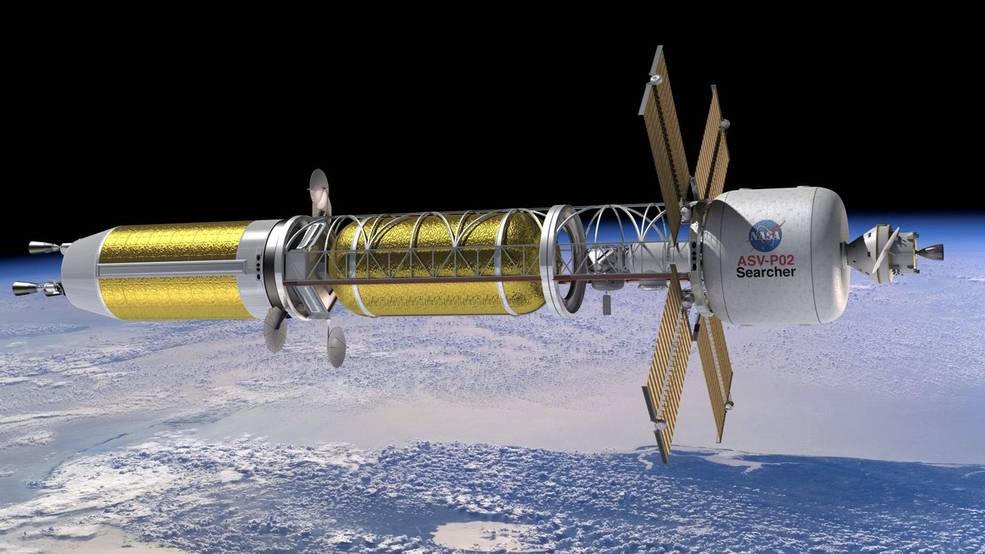
Photovoltaics won low Earth orbit because the sun is reliable there and the arrays got cheap. That bargain collapses as soon as the mission lives in shadow, needs high continuous power, or must reject heat while packed into a lander that cannot unfurl a tennis-court array.
Lunar nights last two weeks. Permanently shadowed regions — the interesting ones for ice — never see the sun. High-power radar, ISRU plants, and electric propulsion tugs all ask for kilowatts that do not disappear when the geometry goes dark. Batteries cover minutes. They do not cover architectures.
Two nuclear answers, different jobs
Radioisotope systems deliver quiet, long-lived heat and modest electric power. They are the right tool for landers, remote stations, and survival heat. Fission surface power and nuclear electric propulsion are the right tool when the load looks like a plant, not a probe.
The engineering problem is not “can atoms make watts.” It is mass, shielding, launch safety cases, thermal rejection in vacuum, and an operations concept that works when the crew is three days away — or not there at all. Space nuclear is a systems product. The reactor is one component inside a spacecraft that has to fly.