
Insights · Reactors
SMRs are a manufacturing problem wearing a physics costume
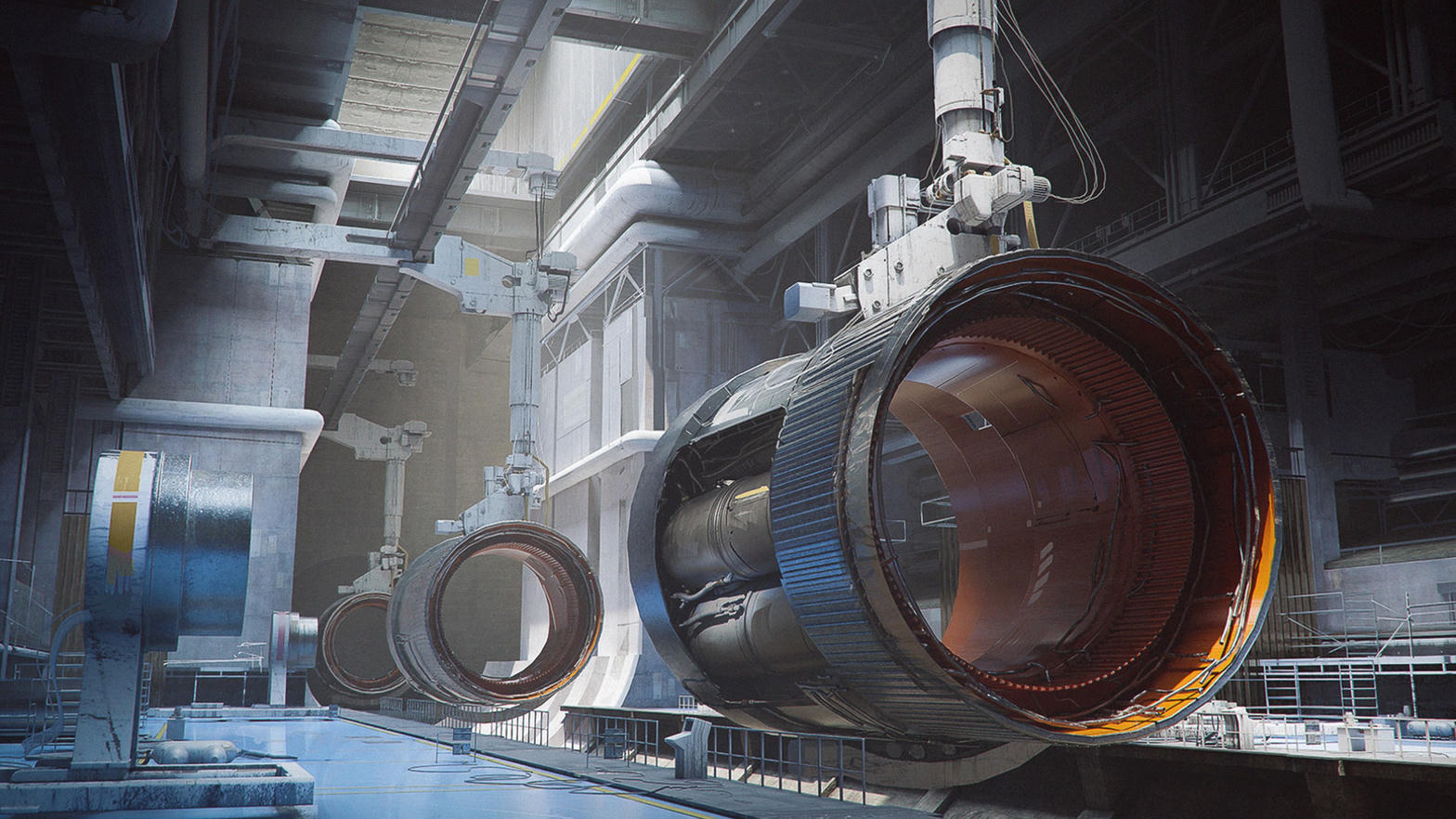
Small modular reactors are often introduced as a physics story: smaller cores, passive safety, integral vessels. Those claims can be true. They are not what will decide who fields hardware this decade.
The last generation of large plants slipped because every unit was a prototype dressed as a product. Civil work sprawled. Supply chains were one-off. Licensing treated each site as a new invention. Compact reactors only escape that trap if the machine is actually repeatable — same vessel, same internals, same quality pack, same safety case reused rather than rewritten.
What “modular” has to mean
Modularity is not a rendering of shipping containers. It is a factory rhythm: jigs that do not change, weld procedures that stay qualified, instrumentation that arrives as a kit, and a digital thread that follows every serial number from shop floor to first criticality.
- Design freeze early enough that procurement can buy steel twice.
- A licensing spine that treats the nth unit as a copy, not a cousin.
- Fuel, I&C, and heat-sink interfaces specified as products, not projects.
Neutronics still matter. Materials still matter. But the scarce resource is cadence. The organizations that treat the reactor as a manufactured system — and the site as an interface — will own the market that everyone else is still briefing.