
Insights · Unmanned
Endurance is a power problem wearing wings
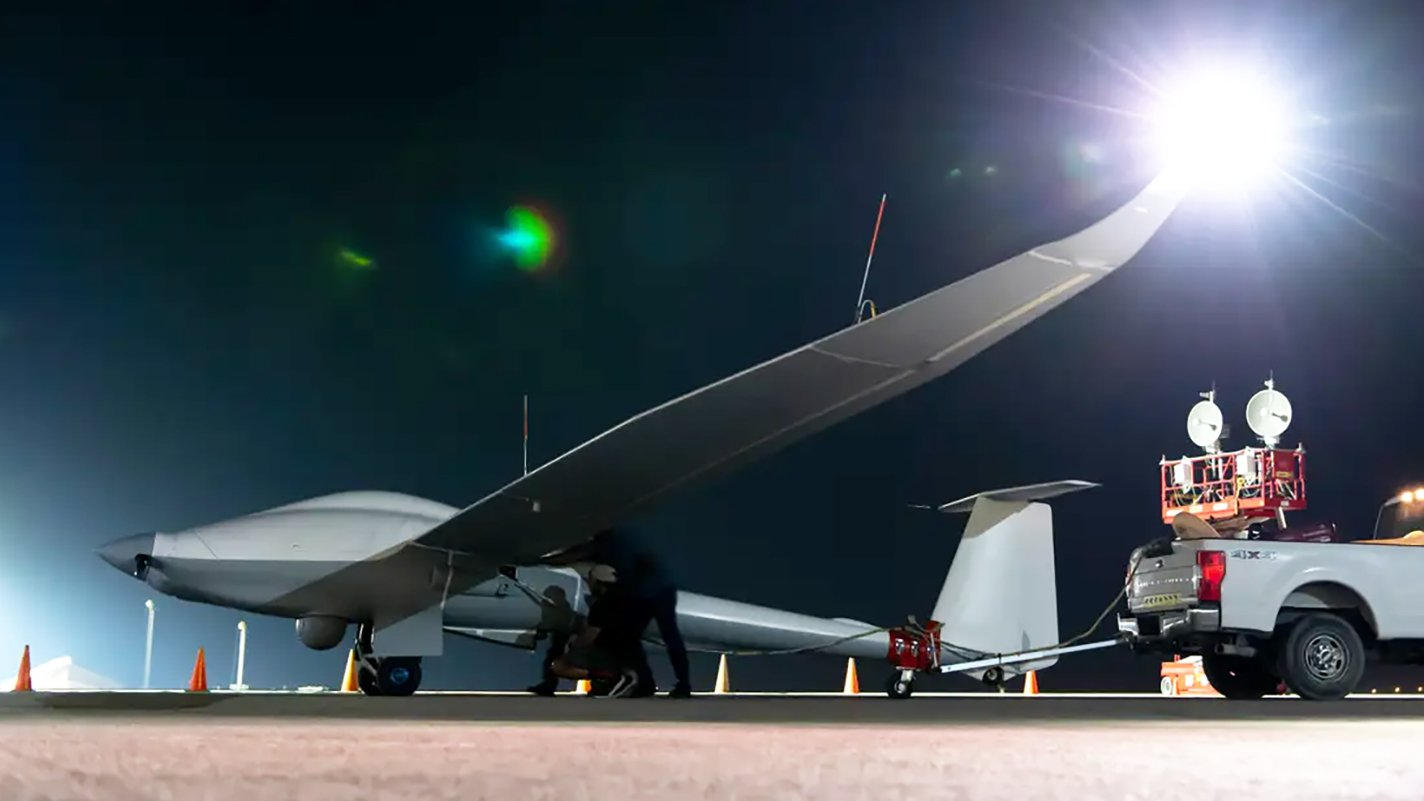
Unmanned aircraft ran out of ideas before they ran out of airframes. The structures are light. The sensors are good. The link is good enough. What still dies on station is energy. A long-dwell drone is a flying fuel tank with a payload hanging off it. Change the energy source and the orbit changes with it.
Chemical fuel sets a hard ceiling on persistence. Solar-electric helps in some latitudes and some seasons, then fails in weather, night, and high-latitude winter. Batteries are improving on the wrong curve for days-to-weeks of continuous payload power. The mission that matters — persistent ISR, communications relay, maritime watch — is an energy-density mission dressed as aviation.
Where nuclear thinking belongs
Not every airframe should carry a reactor. Most should not. The useful question is which unmanned systems are actually mobile power plants with wings, and which are short-cycle tools. High-altitude, long-endurance platforms and unattended ground or maritime nodes start to look like the same product family as compact terrestrial and space power: a quiet source, a thermal path, an autonomy layer, and an operator who is not standing next to the machine.
- Payload-hours, not airframe hours, are the figure of merit.
- The ground segment is part of the aircraft. Power architecture has to include it.
- Autonomy without endurance is a demo. Endurance without an inspectable control layer is a liability.
Pair a long-dwell airframe with a dense, supervised power source and the map changes. Pair it only with a better battery and you get a slightly longer flight and the same argument next year. The die is already cast on which constraint is real.